The Effects Of Aerobic Exercise On The Brain By Age And Gender


The Hippocampus Of The Brain
Maintaining And Regulating Brain Functions
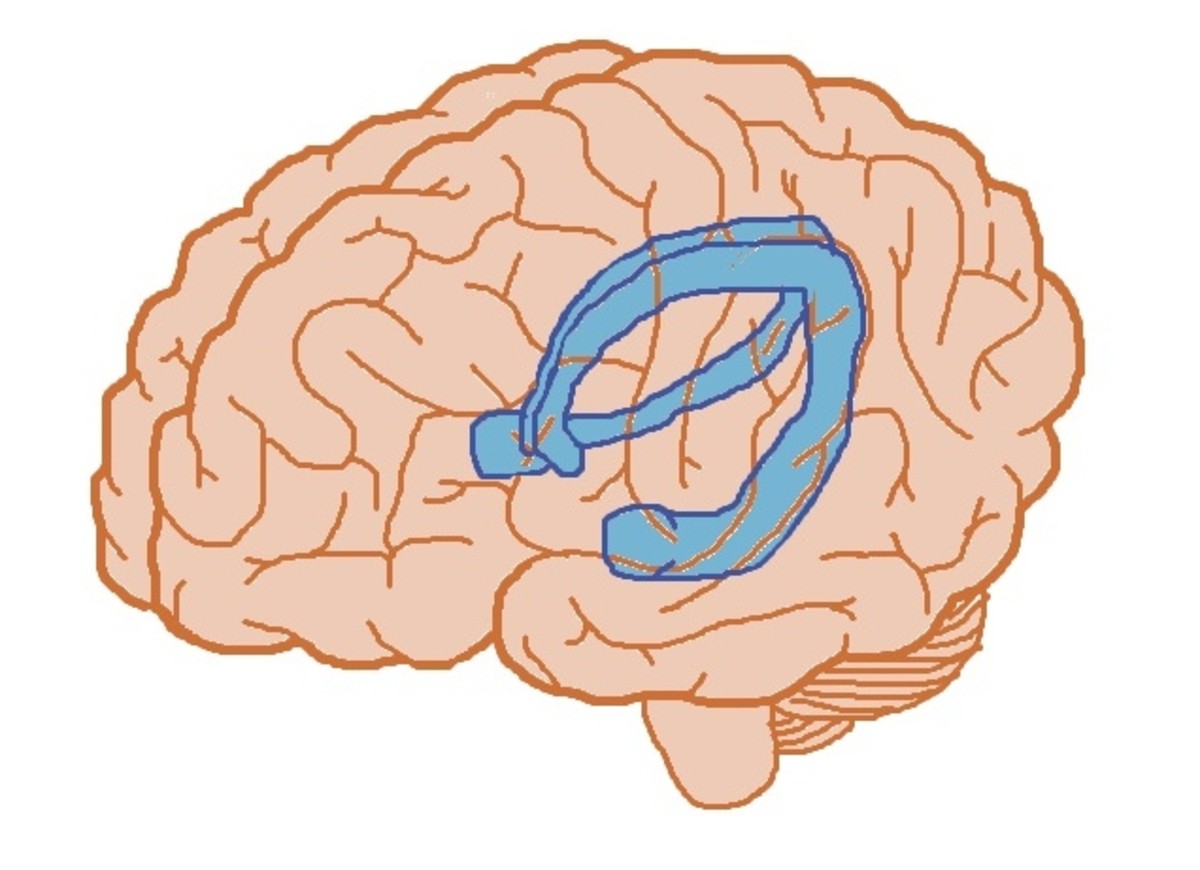
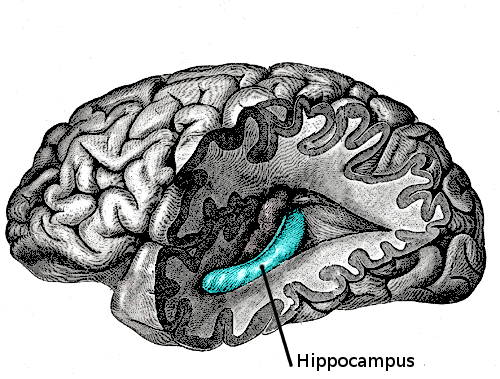
The hippocampus is a portion of the brain that is positioned in the forebrain under the cerebral cortex. It is instrumental for regulating memory and emotion, which are thereby related.
The hippocampus is also a part of the olfactory cortex, a part of the cerebral cortex that is vital to the sense of smell -- This is why aromas often bring back memories.
Emotions, aromas, and memory are all interrelated and aerobic exercise can aide the brain in staying healthy, especially in the brain parts that regulate these elements.
Location Of The Hippocampus
Oxygen and Health
Exercise promoter Susan Powter taught her fitness audiences that you have to eat, you have to move, and you have to breath - and this is the truth.
Proper fuel in nutrition, aerobic exercise, and breathing properly together supply the human body with better health than junk food, sedentary lifestyle, and shallow breathing on the couch in front of TV or video game.
Oxygen is a miracle cure when applied in HBOT, Hyperbaric Oxygen Treatment. Wounds heal faster and more completely and endless positive results for a range of conditions receptive to HBOT shows what oxygen can do for health.
Some cases of ADD/ADHD include a factor that causes a lack of sufficient oxygen to parts of the brain in male children and youth. Without this adequate O2, the brain is less effective in helping the subject does to exert self control or self mastery.
I have found in teaching and coaching, that aerobic exercise can produce results in the first month to six weeks of continued training. Specifically. children and youth in grades 3 - 12 become calmer, more focused, better able to concentrate and attend, and more able to problem solve. Adults receive many of the same benefits.



Exercise And Oxygen Connection
- Avoid Bariatric Weight Loss Surgery
HBOT can help accomplish weight loss without resorting to surgery. - Best Exercises for Women with Osteoporosis
In my work and study in alternative medicine, preventive medicine, and some practical healing techniques I have gathered information on a number if exercises i preventing and easing Osteoporosis and other conditions.
Exercise And Oxygen

Important Best Research For Brain-Body Function
Exercise, particularly aerobic exercise, can enhance many physical and emotional functions of the human body. The brain and full central nervous system are affected importantly by aerobic exercise, which can increase cognitive function and fight the dimentias and mood disorders. It can counteract many of the symptoms of aging. Most importantly:
- Regular aerobic exercise ensures that its benefits continue for up to 1 to 3 weeks after the last session, even if the exercise routine be interrupted.
- Aerobic exercise is cost-free and can reduce healthcare costs in an ongoing preventive manner. It is vital for all ages, as long recognized by the Chinese and adopted increasingly in the West.
Some of the most recent research that supports decades of findings and theories include the following reports with my own summaries:
Aerobic Exercise for New Brain Cells and Cognitive Performance
Effects Of Aerobic Exercise In Children and Youth
February 2011
"Aerobic Fitness and Executive Control of Relational Memory in Preadolescent Children." Authors: Chaddock, Laura; Hillman, Charles H.; Buck, Sarah M.; Cohen, Neal J. Medicine & Science in Sports & Exercise, February 2011; Volume 43, Issue 2; pp. 344-349.
Children with lower levels of aerobic fitness demonstrate poorer recognition memory in relational coding (related items) than do children that are more aerobically fit. There was no relationship between aerobic fitness and recognition for faces and houses individually.
Human adult studies, child studies, and animal studies all show that aerobic exercise positively affects both prefrontal executive control (decision-making and similar selective tasks) and hippocampus functioning.
January 2008
"Science and society: Be smart, exercise your heart: exercise effects on brain and cognition." Authors: Charles H. Hillman, Kirk I. Erickson, and Arthur F. Kramer. Nature Reviews Neuroscience, January 2008; pp 58-65.
Medical, psychological, and educational research of many years' duration shows that physical activity and aerobic exercise enhance the selective tasks that can be performed within the brain.
Sedentary lifestyle among children in industrialized nations is a primary cause of obesity, but exercise can help improve physical health and academic performance.
Consistent aerobic exercise long-term can favorably impact brain functioning at the molecular, cellular, systems, and behavioral levels.
Effects Of Aerobic Exercise In Senior Citizens
December 2010
"Exercise training increases size of the brain's hippocampus and improves memory." PNAS Proceedings of the National Academy of Sciences of the United States of America. Authors: Kirk I. Erickson, Michelle W. Voss, Ruchika Shaurya Prakashd, et. al. Article approved December 30, 2010.
- The hippocampus is an area of the brain that shrinks in late adulthood.
- This shrinkage results in an impaired memory and a heightened risk for the dementias.
In a controlled study of 120 senior citizens, a schedule of aerobic exercise increased the size of the anterior hippocampus. This resulted in improved spatial memory among the treatment group.
The exercise increased the volume of the hippocampus 2% on average and this increase significantly reversed the shrinkage resulting during aging. The average volume of the hippocampus among the control group (those who received no exercise) became even smaller than previous to the study. However, a higher level of physical fitness before the study helped to prevent some of the shrinkage among the control group. Therefore, better physical fitness seemed to prevent a measure of shrinkage even in the control group.
Results of the study show that consistent aerobic exercise reverses hippocampus shrinkage and prevents memory loss in senior citizens. This has implications for preventing dementias.
January 2010
"Effects of Aerobic Exercise on Mild Cognitive Impairment: A Controlled Trial." Archives of Neurology, January 2010; Volume 67, Number 1; p 71. Authors: Laura D. Baker et al.
Six months of intense aerobic exercise affected men and women of an average age of 70 differently in cognition, glucose metabolism, and other bodily functions.
In older women, aerobic exercise improved executive function (decisions, selective tasks) and reduced fasting plasma levels of insulin, cortisol, and brain-derived neurotrophic factor (BDNF protein).
Among older men, aerobic exercise increased plasma levels of insulin-like growth factor and had little or no cognitive effect.
Aerobic exercise thus far seems to benefit the brains of female senior citizens more than those of senior men.
Positive Findings For All Ages
2009
"Exercise: Optimizing Function and Survival at the Cellular Level." Encyclopedia of Neuroscience, 2009; pp 133-138. Author: A. Russo-Neustadt.
- Exercise, especially aerobic exercise, produces many health benefits to the CNS and can reduce the number of cases of dementia and mood disorders seen.
- Regular aerobic activity improves cognitive and emotional functions at the cellular level and improves recovery in injuries to the brain and spinal cord.
- Aerobic exercise is vital in maintaining brain health across the lifespan.

Exercise Your Body, Exercise Your Brain





© 2011 Patty Inglish MS